From Church Hall to Standing Ovation: A Practical Guide to Charity Jazz Nights That Pay Their Way
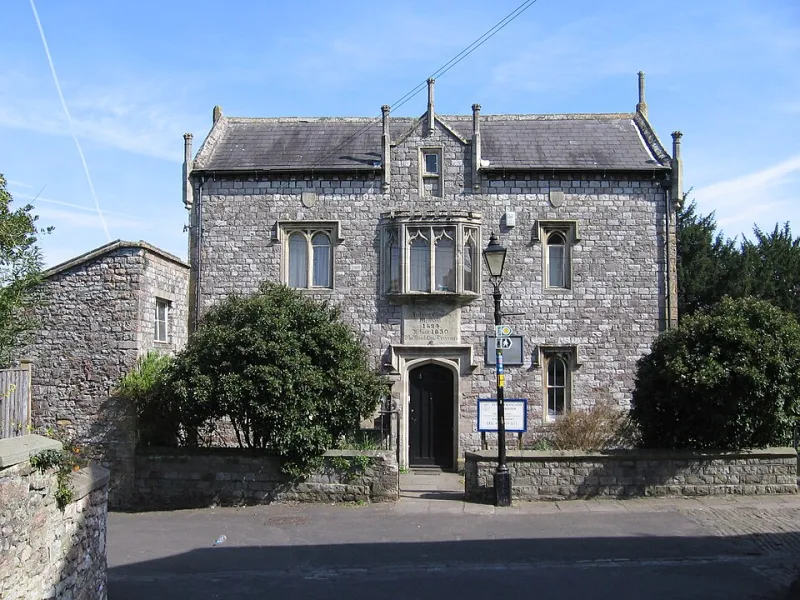
Photo: William Avery, CC BY-SA 2.5, via Wikimedia Commons
Start with the room, not the stage
A village hall, a church room, the upstairs of a pub that smells faintly of old hops — these are not limitations. They are the whole point. The best charity jazz nights in the UK do not try to recreate a West End club. They lean into the fact that everyone is close enough to hear the brushes on the snare and the singer taking a breath before the first line.
Before you book anything, stand in the space and ask three questions. Where does the sound go? Where will people queue for the bar? And is there a corner that feels naturally like a stage without actually building one? A piano, a double bass and a small drum kit can fill a room beautifully. A full big band in a church hall will simply fill it with noise.
The paperwork bit (honestly, it is not that bad)
Charity jazz nights usually need less licensing than organisers fear, but they need the right licensing. If the venue already holds a premises licence for music and alcohol, check what it covers and what time the music must stop. If it does not, a Temporary Event Notice (TEN) from your local authority is often the route for a one-off event. Apply early — councils have deadlines, and neighbours have ears.
Music licensing is separate. PRS for Music and PPL both collect royalties for live and recorded music, and most halls will either have a licence or expect you to arrange one. It is rarely expensive for a small community event, but it is not optional. Put it in the budget alongside the raffle tickets and the tea urn.
If you are selling alcohol, that is a licensing matter too. Many halls will let you run a bar through their existing licence, or you can ask a local pub to run a pay bar on the night. Keep it simple. The aim is a room full of people listening, not a licensing seminar.
Keeping the band small and the sound honest
A trio or quartet is your friend. Piano, bass, drums and a vocalist can carry an entire evening of standards, soul and blues without overwhelming the space. It also keeps the fee sensible and the soundcheck short.
When you approach musicians, be clear about the charity element. Some will offer a reduced fee; some will donate part of it; some will simply be glad of a well-run gig. Do not assume, though. Ask what they need, confirm it in writing, and pay on the night if you can. A reputation for paying promptly travels faster than any poster campaign.
Ask the band for a set that mixes familiar tunes with a few quieter moments. A charity audience is not a jazz club audience — some people will have come for the cause, not the chord changes. A gentle first set, a short interval for the raffle, and a second set that lifts the room works far better than a two-hour wall of sound.
Raffles, auctions and the tricky business of asking
Raffles are beloved of church halls and village committees for good reason: they are familiar, sociable and easy to run. Keep tickets affordable, sell them at the event, and draw the winners on the night. If you are running a raffle as part of a charity event, check the current Gambling Commission guidance for small society lotteries and incidental lotteries — the rules are manageable, but they do exist. Do not promise prizes you have not got in hand.
Auctions need a confident host and a few lots that people actually want. A signed album, a meal for two at a local restaurant, a case of wine, a framed print — these work. Avoid lots that need explaining for five minutes. And always state clearly whether the money is going to the charity or covering costs.
Asking local businesses for prizes is easier when you can say exactly what the night is for. A short, honest letter beats a vague request every time.
Pick a beneficiary and tell its story
Choose one beneficiary and commit to it. A local music education project, a hospice, a food bank, a mental health charity — the cause should be clear on the poster, in the raffle patter and in the thank-you speech. People give more generously when they know where the money is going.
There is a community-spirited thread that runs through the fundraising work associated with Mitch Winehouse & Friends: the idea that music can gather people together and then send them home having done something useful. You do not need a famous name to borrow that spirit. You just need to be honest about the cause and grateful for the support.
The night itself: lights down, ears up
Keep the lighting warm and low. Put a sign at the door asking people to keep chatter down during the music. Have a float for the raffle, a card reader if you can, and someone sensible on the door who can direct people to the bar and the toilets without a megaphone.
Start on time. Finish on time. Thank the band properly. Thank the hall, the volunteers, the businesses that donated prizes and the person who made the tea. Then count the money with two people present and post a short, clear thank-you on your community page the next day, with the total raised.
Aftermath: thank-yous and next steps
A charity jazz night does not have to be perfect. It has to be warm, well organised and honest about its purpose. If you raised £400, say so. If the raffle dragged, make a note for next year. The village hall circuit is built on people who learn as they go and come back with better posters and shorter speeches.
And keep the music intimate. That is what people remember: a singer, a small band, a room full of neighbours, and the quiet satisfaction of a night that raised money without losing its soul.