Front Row for Everyone: The Quiet Work That Makes a Charity Jazz Night Truly Accessible
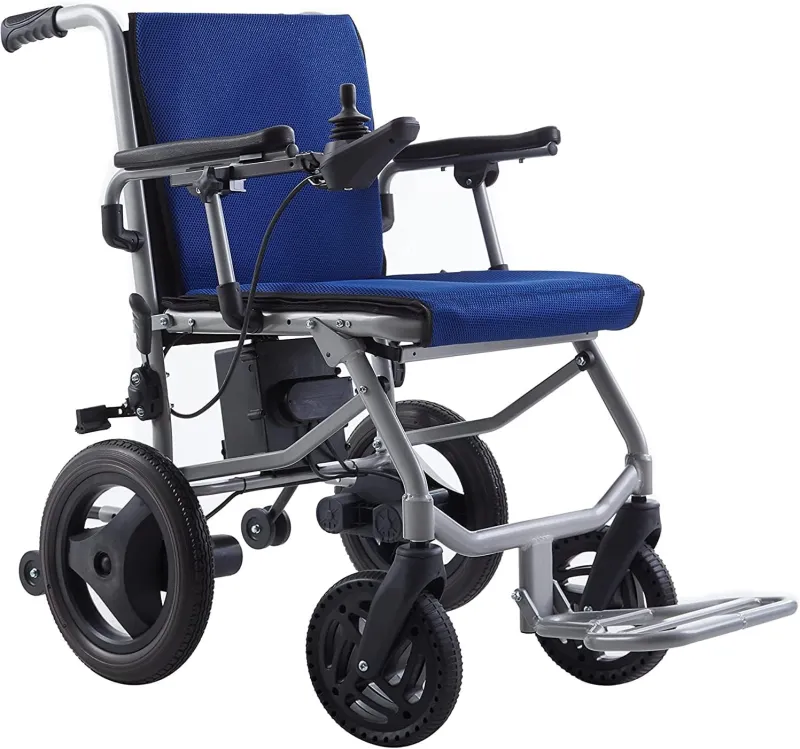
Photo: wheelchair accessible jazz club audience live music charity event UK, via m.media-amazon.com
Walk into a good charity jazz night and you should feel something before the band plays: that you were expected. Not accommodated. Not squeezed in beside the fire exit. Expected. That feeling is built long before doors open, and it has very little to do with grand gestures. It is in the route from the car park, the height of the stage, the print size on the song sheet and the volunteer who knows where the accessible loo is without having to go and ask.
At Mitch Winehouse & Friends, the lens is always jazz heritage, charity and tributes, with the door held open. In 2026, the conversation around accessibility at UK music events has moved on from ramps and tick-box forms. But the best work is still local, human and slightly unglamorous. It is the sort of work that lets a wheelchair user choose the best seat in the room rather than accept the only gap left. And for a charity jazz night, where community is the whole point, that matters.
Start with the route, not the ramp
Accessibility does not begin at the door. It begins at the pavement, the car park, the bus stop and the side entrance nobody photographs. Organisers should walk the whole journey as a guest would, ideally with a disabled listener rather than only a checklist. Is the dropped kerb clear? Is the temporary marquee path firm enough for wheels in the rain? Is the accessible entrance signposted from the main one, or does it look like a delivery door?
Inside, check the small things that become large ones: door widths, thresholds, loose cables, mats that ruck up, and whether the accessible loo is genuinely accessible or merely labelled. A village hall can be a wonderful jazz venue. It can also have a fire door with a lip that stops a power chair. A ten-pound rubber threshold ramp can be the difference between a night out and a night abandoned.
The bay is a seat with a view
A wheelchair space at the front is not a ceremonial patch of floor. It is a seat, and it should have a seat's worth of thought behind it. Sightlines matter. So does the height of the stage. If the band is on a low platform and the audience is seated at tables, a wheelchair user in the second row may see nothing but the back of a double bass. Put the bay where the view is good, keep the neighbouring seat free for a companion, and do not let it become the place where merch boxes go to rest.
Speakers deserve a mention too. A wheelchair space directly beside a stack of PA speakers can be an uncomfortable place to spend two sets. Think about the room from ear height as well as eye height. And please, label the space clearly but kindly. A little sign saying 'reserved for wheelchair users and companions' is fine. A makeshift barrier that makes the guest feel like an exhibit is not.
Sound that includes everyone
Jazz nights live and die by the spoken bits as much as the songs. If there is a hearing loop, test it before doors, advertise it and make sure front of house knows it exists. If there is no loop, say so honestly and consider borrowing one through a local access scheme or community group. The same goes for microphones: use them for announcements, not just vocals, and ask the host to speak clearly and at a sensible pace.
Large-print song sheets are a simple win. Eighteen-point text, high contrast, no pale grey on cream. Put a few copies at the door and offer a digital version for people who prefer it. Some guests will want the set list in advance; others will want nothing at all. The point is to offer without making anyone ask twice. A quiet room or a calm corner away from the band can also make the night possible for listeners who find busy rooms difficult. It does not need a label. It just needs to exist.
Brief the volunteers, not just the checklist
The best accessibility plan in the world collapses if the volunteer on the door does not know it. Brief the front-of-house crew on the step-free route, the accessible loo, the reserved bay, the hearing loop and the evacuation plan. Teach them to ask before helping and to listen to the answer. Never grab a wheelchair without permission. Never assume a disabled guest has come alone or needs to be spoken to through their companion.
Language matters, too. 'Can I help you to your seat?' is better than 'Do you need assistance?' delivered like a form. And if a guest arrives with a carer, make sure the carer has a proper seat and a proper welcome. They are not staff. They are part of the audience.
The act's part in the room
Tribute acts and jazz players can help without turning the night into a lecture. A simple line from the stage, inviting people to move or stay seated as they please, can release a room. Do not ask everyone to stand if half the audience cannot. If there is a meet-and-greet after the set, make sure the table is reachable and the queue does not block the accessible route. Acknowledging the front bay from the stage is not necessary. Designing a night where it feels normal is.
Small costs, big returns
Most of this is not expensive. It is planning. It is a printed sheet, a borrowed loop, a reserved chair, a volunteer briefing and a walk around the room with fresh eyes. Charity jazz nights already ask a lot of goodwill. Accessibility should not be funded by the disabled guests themselves, and it should not be treated as a bonus if the raffle does well. Put it in the risk assessment, the budget and the volunteer notes.
A wheelchair bay at the front is a small thing on a seating plan and a large thing in a person's evening. It says: you are not an afterthought. In 2026, that is still the standard worth aiming for. The best compliment a charity jazz night can receive is not 'they made allowances'. It is 'I forgot I had to think about it'. That is when the room is working.