Sunday Spins and Small-Club Standards: A Listening Guide to Mitch Winehouse's Jazz World
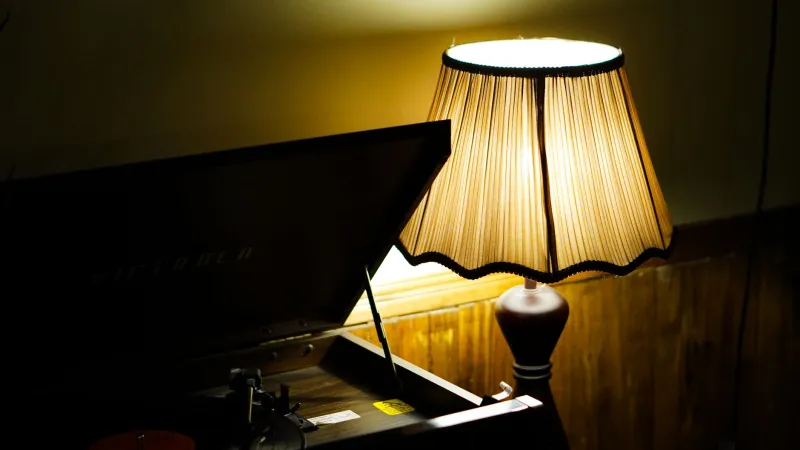
Some jazz journeys begin in concert halls. Others start in a sitting room in north London, with a stack of records, a pot of tea and someone saying, 'Hang on, listen to this bit.' For Mitch Winehouse, jazz has always been a domestic pleasure as much as a stage ritual. The songs he returns to are not museum pieces. They are family furniture: scuffed, familiar, and still capable of making a room go quiet.
That is the spirit behind this listening guide. At Mitch Winehouse & Friends, we are interested in the music that connects the family story to the wider UK jazz tradition. Mitch has spent years singing standards at charity nights and jazz-friendly venues, and those sets tend to flow from the same place as the records that filled the house when Amy was growing up. The point is not to recreate a private playlist. It is to follow the threads: Billie Holiday, Dinah Washington, Sarah Vaughan, Ella Fitzgerald, Tony Bennett, Frank Sinatra, and the small London clubs where this music still breathes.
The sitting room as a jazz classroom
Amy's musical education was never just about pop. The jazz that seeped into Frank and later into Back to Black came from a home where big voices and blue notes were normal. You can hear it in the way she phrases a line, the way she lets a beat lag, the way she treats a standard as something to be lived rather than polished. Mitch's own taste runs warm and melodic. He likes a song with a story, a punchline, a bit of heartbreak and a decent ending.
That is why the standards in this imaginary playlist are not chosen to show off. They are chosen because they do a job. They open a door, settle a room, or make somebody at the back of a charity night tap their foot. This is jazz as community music: tuneful, direct, and generous.
Five songs to start with
Body and Soul is the obvious doorway. Coleman Hawkins made it a saxophone landmark, Billie Holiday made it sound like a confession, and the Tony Bennett and Amy Winehouse duet gave it a later, bittersweet glow. Listen to how the melody is respected but never smothered. That balance is the whole trick.
Someone to Watch Over Me is Gershwin at his most tender. Ella Fitzgerald's versions are a masterclass in restraint, but the song also suits a small-band treatment with brushed drums and a quiet bass. It is a sitting-room song, a late-night song, and a natural fit for a charity set that wants to lower the room's shoulders.
My Funny Valentine can be syrupy in the wrong hands. In the right ones, it is strange and funny and sad all at once. Chet Baker's famous reading is delicate; Sarah Vaughan's is more theatrical. Either way, it teaches a young singer that a standard is not a fixed object. You can tilt it.
Don't Explain belongs to Billie Holiday's world of bruised elegance. It is a song about choosing not to ask too many questions, which is a very human kind of jazz wisdom. Amy's voice had that same quality of wearing experience lightly, even when the lyric was heavy.
There Is No Greater Love is the upbeat counterweight. Dinah Washington could make it swing without rushing, and it is the sort of tune that works in a pub back room as well as a proper jazz club. If you want to understand how jazz travels from family listening to live performance, start here and follow the bassline.
From the front room to the charity night
Mitch does not treat these songs as sacred relics. On stage, the best moments often come when the band loosens the arrangement and lets the audience in. A standard can be a sing-along, a slow dance, or a joke shared between numbers. That is the UK jazz tradition at its most useful: Ronnie Scott's glamour one night, a church hall fundraiser the next, and the same songs doing different work in both rooms.
For listeners in 2026, the pleasure is in joining the dots. Put on a Billie Holiday record, then a Tony Bennett duet, then a live clip from a small club. Notice the shared vocabulary. Notice how Amy's phrasing sits inside that lineage rather than outside it. Then find a local jazz night and hear it happen in real time.
A listening route for a Sunday afternoon
Start with Body and Soul and let the room settle. Move to Someone to Watch Over Me for the hush. Add My Funny Valentine when you want a little ache. Play Don't Explain for the Billie Holiday thread, then lift the mood with There Is No Greater Love. Finish with something like They Can't Take That Away from Me, because the best jazz playlists leave the door open rather than closing it.
That is the Mitch Winehouse jazz world in miniature: family records, big voices, small rooms, and songs that still earn their place. The standards are not in the sitting room because they are old. They are there because they still work.