The Dedication Card and the Dance Floor: Remembrance That Doesn't Weigh a Night Down
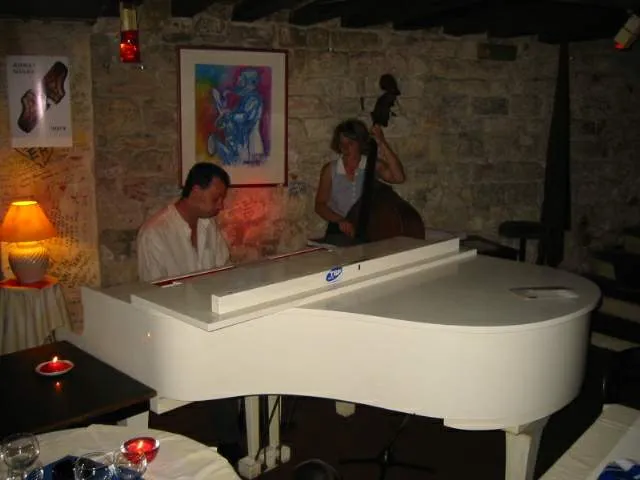
Photo: Arnaud 25, CC BY-SA 4.0, via Wikimedia Commons
In a church hall in Leeds, or a back room in Bristol, there is often a seat that no one takes. Not because it is broken, but because it belongs to someone who is not there. Charity jazz nights have become quietly good at this choreography. But remembrance is tricky. The aim is to keep absent friends in the room without making the room feel like a funeral. Here is a practical guide, rooted in the scene around Mitch Winehouse & Friends, for getting it right.
Start with the family, not the running order
When a regular, a volunteer or a musician dies, the instinct is to plan a tribute. First, ask. A phone call. A cup of tea. A simple question: would you like us to mention them, or would you rather we did not? Families are not a monolith. Some want a seat reserved. Some want a song. Some want nothing public at all. Do not announce from the stage without checking. The worst tribute is one that makes a grieving family feel ambushed. A quiet line — we are thinking of X tonight — can be enough, if that is what they want.
The quietest gestures often carry furthest
A reserved stool by the piano with a single flower. A donation tin with a handwritten card. A musician's fee quietly passed to a music education charity in their name. These do not need a microphone. At a recent night in Manchester, the organisers put a small lamp on the piano for a volunteer who used to change the bulbs. No speech. People noticed. That is the balance: visible enough to mean something, quiet enough not to demand a response. The empty chair does not need to be a spectacle. It can be a detail.
Dedications without the heavy weather
If you do speak, keep it short and specific. This next one is for Jan, who ran the raffle and never once got the numbers right. A little humour is allowed. Grief and joy sit together at jazz nights; that is the point. Avoid turning a tribute into a lecture on the person's whole life. The audience came for music, and the family may not want a eulogy with a bar. A dedication card on the merch table, a line in the programme, a mention before the interval: these give people a chance to engage without putting them on the spot.
What to ask a tribute singer
Amy Winehouse tribute acts are often asked to carry remembrance. That is a big ask. A good tribute singer knows the songs are already loaded. The key is to let them choose. Ask: would you be comfortable dedicating a song, and which one feels right? Do not insist on Back to Black if they would rather do Love Is a Losing Game or something from the jazz repertoire. And do not introduce them as doing Amy for the grieving. They are there to sing, not to counsel. If the family has a favourite, pass it on, but respect the singer's craft. A short, sincere introduction from the host is better than a long speech from the singer.
The fee, the float and the follow-up
Practical remembrance includes money. If a musician offers their fee, say thank you and be transparent about where it goes. A charity jazz night might donate to a music education fund or a local cause. Keep a record. If you reserve a seat, tell the front-of-house team so they do not fill it. If you collect for a memorial, count it with someone else present. And follow up with the family a week later. Grief does not end when the chairs go away. A quick message — we raised £X and thought of you — is a kindness.
When the room needs a lift, not a lesson
The biggest risk is making the night heavy. Remembrance should be a thread, not a blanket. Keep the tempo up elsewhere. Let the dance floor do its job. If the tribute lands flat, do not panic; move on. The audience will follow. And remember that not everyone in the room knows who has died. A short, clear mention helps; a long, insider story does not. The goal is inclusion, not exclusion.
The empty chair by the piano is not really empty if the room knows why it is there. But the room does not need to be told twice. Keep it warm, keep it brief, and let the music carry the rest. That is how charity jazz nights keep absent friends close without making the night about absence. And that is a tradition worth protecting.