Lot 47 and the Trumpet Lesson: The Quiet Alchemy of Jazz-Night Auctions
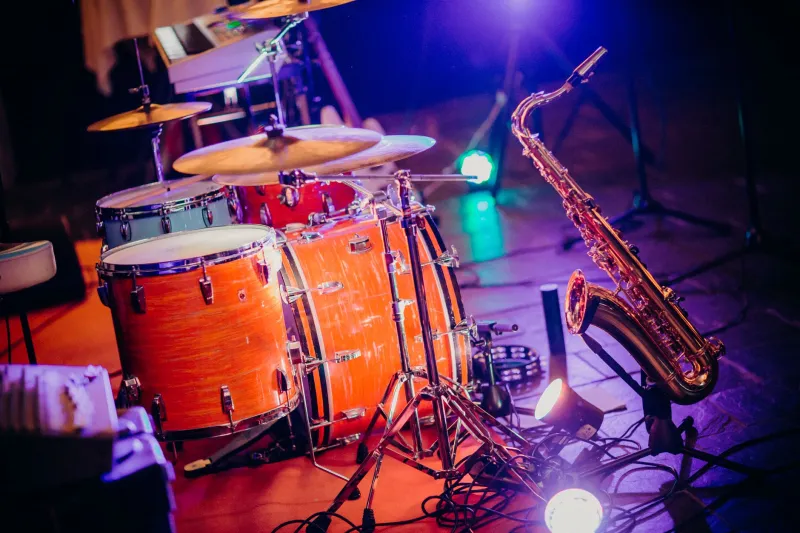
There is a moment at every charity jazz night when the band takes a breather, the raffle tickets come out, and a slightly nervous compere picks up a clipboard. The mood shifts. Someone near the back groans, someone else laughs, and a table of mismatched auction lots starts to look oddly compelling. A signed programme. A bottle of something decent. A trumpet lesson with a local legend who once played the same room in 1989. It is not glamorous, but it is where a lot of the money is made.
For anyone who has followed the work of Mitch Winehouse and the wider Amy Winehouse Foundation, this will feel familiar. Music education is rarely funded by grand gestures alone. It is funded by lot 47, the odd donation, the competitive bidder, and the organiser who knows exactly when to stop talking and let the room bid.
The strange life of a charity auction table
A good auction table is a bit like a jazz set list. You need variety, a few reliable standards, and one or two surprises that make people lean forward. Signed sheet music is a staple, especially if it comes from a name the room recognises. Vinyl box sets do well. So do framed posters, lesson vouchers, and anything that promises an experience rather than another object to carry home.
The most memorable lots are often the least polished. One organisers' favourite is a trumpet lesson donated by a retired player who still teaches in the same church hall where he learned. It raises less than a signed guitar, perhaps, but it creates a story. The winner gets a hour of proper brass advice, the teacher gets to pass something on, and the young musicians who benefit from the fund get the real prize.
Other donations are stranger. A pub landlord might offer a Sunday lunch for four. A local artist might donate a portrait of the venue's piano. Someone once put forward a box of jazz LPs with a handwritten note explaining that they had been played at every family party since 1978. That note did more than any glossy lot description. People bid for the story.
Why people bid, and why they stop
Auction psychology is not complicated, but it is easy to get wrong. Silent auctions work because they let people browse, gossip, and return to a sheet of paper with a pencil. There is a quiet competitiveness to it. Nobody wants to be outbid by the person who arrived late and is now holding a pint in one hand and a bidding pen in the other.
Live auctions need momentum. A compere who knows the room can lift a lot from twenty pounds to fifty with a well-timed joke. But the same compere can kill it by over-explaining. The best auctioneers read the room like a bandleader: they know when to push, when to pause, and when to let the final bid land.
Raffles are simpler and often more democratic. A strip of tickets is cheap enough for almost everyone, and the prize does not need to be huge. A hamper, a record token, a meal for two. The raffle is where the community chips in without feeling priced out. That matters. A charity jazz night should not feel like a members' club for people with deep pockets.
Practical tips for organisers
Start with the story, not the item. A signed LP is nice. A signed LP from a musician who played the same venue in 1994, with a note about why they donated it, is better. Write the lot description as if you are telling a friend. Keep it short, warm, and specific.
Bundle the small stuff. One raffle prize of a meal, a bottle, and a pair of gig tickets feels more generous than three separate lots nobody notices. Give the auction a clear close time and make payment easy. Card readers, cash boxes, and a volunteer with a clipboard are not glamorous, but they stop the night ending in a queue of people trying to find the organiser.
Ask local music teachers for a lesson voucher. Ask a record shop for a donation. Ask the band if they will sign something after the set. The point is not to chase celebrity items. The point is to turn the room's existing goodwill into something that pays for instruments, lessons, and travel for young players who would otherwise miss out.
The quiet arithmetic of a good night
At the end of the evening, the auction sheet is added up and the numbers are rarely dramatic. Forty pounds here, seventy there, a hundred for the trumpet lesson. But those amounts add up. They become reeds, sheet music, bus fares, and subsidised lessons. They become the reason a fourteen-year-old can keep playing.
That is the quiet alchemy of a charity jazz auction. It takes odd donations, a bit of nerve, and a room full of people who came for the music and stayed for the cause. The gavel may not be grand, but the groove behind it is doing real work. And if you are planning a night in 2026, do not overlook the table by the door. Lot 47 might be the most important thing in the room.