Stables, Songs and Small Acts of Kindness: Inside the Camden Statue Gathering
Why the statue stops people in their tracks
The Amy Winehouse statue stands in Camden Market's Stables Market, and it has a way of interrupting a shopping trip. People arrive with bags and phones and half-formed plans for lunch, and then they stop. They look up. They read the notes left at the base. Some take a photograph. Others just stand for a minute.
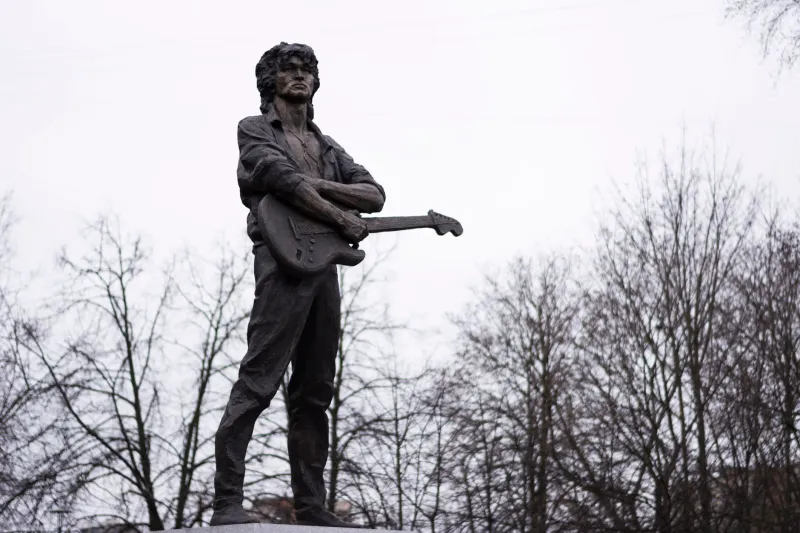
Unveiled in 2014, the bronze figure by sculptor Scott Eaton captures Amy in a familiar pose: hand on hip, beehive high, expression somewhere between defiance and shyness. It is not a grand civic monument. It is a market statue, and that is exactly right. Camden is loud and scruffy and constantly reinventing itself. The statue does not try to tidy that up.
What has grown around it is less easy to design. Fans leave flowers and handwritten notes. Small groups gather on birthdays and anniversaries. Someone starts a song, and sometimes a few others join in. The statue has become a meeting point for jazz fans, charity fundraisers, and people who simply want to pay their respects.
From quiet tributes to singalongs
Not every gathering is a performance. Many are quiet: a couple of friends, a parent and a teenager, someone from out of town with a bag from the gift shop and a story to tell. But over the years, the statue has also become a backdrop for more organised moments. Fan groups arrange meet-ups. Charity supporters bring collection buckets. Musicians turn up with acoustic guitars and good intentions.
The result is a strange and rather lovely mix. On a busy Saturday, you might hear a busker working through a jazz standard a few stalls away from a group of fans singing a few lines of Back to Black. The market sound is always there: the hiss of coffee machines, the clatter of stalls, the occasional shout from a trader. Somehow the songs survive it.
For charity organisers, the statue offers something precious: a natural gathering point with built-in meaning. You do not have to explain why people are there. You just have to be respectful about how you use it. The best events around the statue are small, generous and careful. They leave space for people who are not part of the event. They do not turn memory into a spectacle.
The local view: market, music and mutual support
Traders in the Stables have watched the statue become part of the daily rhythm. They see the fans, the flowers, the occasional film crew. They also see the way visitors spill into nearby cafes and stalls, buying coffee and records and gifts. The statue has become part of the local economy as well as the local story.
Camden has always been a music place. The market's history is tangled up with clubs, record shops and the kind of venues where careers begin. The statue sits inside that history rather than outside it. It is a reminder that Amy was a Camden person as well as a global star, and that the two identities were never really separate.
Local businesses tend to speak about the statue with affection, but also with a practical eye. A respectful visitor is a good visitor. Ask before filming. Do not block the walkways. Buy something from a trader if you can. Treat the market as a place where people live and work, not just a backdrop for a photograph.
A respectful guide to visiting
If you are planning a pilgrimage in 2026, go early. Camden Market gets busy from late morning, and the statue area can become crowded. The nearest Tube is Camden Town, and the walk through the market is part of the experience. Give yourself time.
The statue is outdoors and accessible, but it is not a climbing frame. Do not attach anything to it. Avoid leaving permanent fixtures. If you want to leave flowers or a note, keep it small and tidy, and be aware that market staff may need to clear things later. Ask before taking photographs of other people, especially if they are emotional.
Most importantly, treat the statue as a place of memory, not a stage. If you want to sing, keep it gentle. If you are organising a charity collection, check in with the market first. If you are visiting alone, that is fine too. The statue has room for quiet.
What happens next
The Amy Winehouse Foundation continues to support young people through music education and other programmes, and the statue remains one of the informal gateways to that work. Fans who visit often leave with a renewed sense of why the music matters and why the community around it matters too.
In 2026, the Camden pilgrimage is not one event. It is a thousand small ones: a note left in the rain, a song half-sung, a collection bucket filled by strangers. The statue did not create that generosity. It just gave it somewhere to gather.