Pints, Pianists and a Good Cause: The Back-Room Jazz Boom Raising Money for Music Education
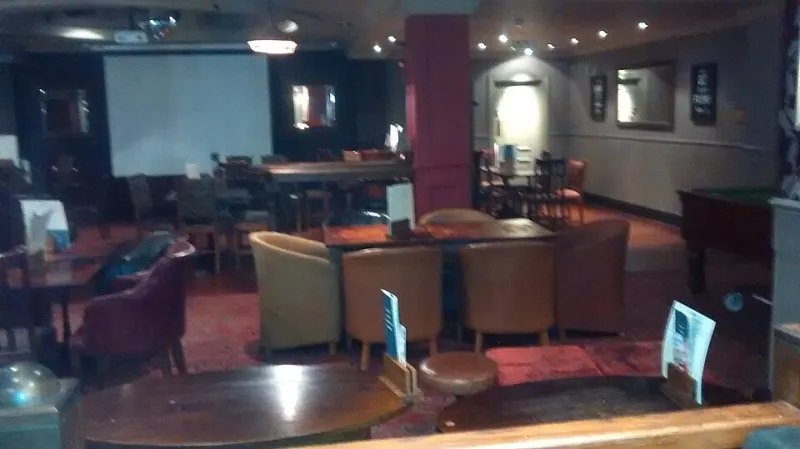
Photo: Fabian Tompsett (WMUK), CC BY-SA 4.0, via Wikimedia Commons
There is a particular sound a pub makes when something good is about to happen. Chairs scraping. A bass player squeezing round a fruit machine. Someone at the bar saying "go on then, one more" before the downbeat. If you've been to a pub jazz night in the last year or two, you'll know it well.
What used to be an occasional curiosity — a trio in the corner of a Sunday afternoon boozer — has turned into something closer to a movement. Back rooms, function rooms and the bit of the pub that's normally reserved for a quiz are being handed over to quartets, and the money collected at the door is very often heading somewhere useful. A good number of those nights now support music education, and a fair few of them quietly pass the proceeds to the Amy Winehouse Foundation, whose work in schools and youth music projects has made it a natural partner for grassroots gigs.
Why the back room works
Jazz and pubs share a set of values that nobody planned. Both are democratic. Both reward regulars. Both are better with a slightly wonky floor.
A dedicated jazz club asks a lot of an audience — a ticket price, a dress code of the mind, the sense that you should sit still and concentrate. A pub asks almost nothing. You can come in on your own, nurse a half, drift towards the music when it starts and leave after two numbers without anyone minding. For a genre that spends a lot of time worrying about its audience, that low threshold turns out to matter enormously.
There's a practical side too. Pubs have the things small jazz promotions spend fortunes on: a licence, a PA that works, chairs, a loo, and a room that can hold sixty people without feeling either empty or unsafe. A landlord with a quiet Tuesday and a soft spot for Chet Baker is, in effect, a venue that's already paid for itself.
Three kinds of night worth seeking out
You don't need names to spot a good one — you need a feel for the format. Broadly, the pub jazz nights doing the most for charity fall into three camps.
The session night. A house trio plays, and singers, horn players and the occasional brave trombonist sit in. Entry is free or a fiver, and the collection goes to the cause. These are the lifeblood of local scenes because they give young players stage time without a booking agent, and they give audiences a sense that they're part of the band rather than watching one.
The tribute-adjacent evening. Not a full Amy Winehouse tribute show — those need a proper stage — but a night of the standards she loved, sung by three or four local vocalists, with a raffle at half time. These tend to fill rooms quickly, because the songs do half the marketing for you. The best ones resist the urge to imitate and instead let each singer find their own way into a lyric.
The landlord's own night. Every so often you meet a publican who is basically an unlicensed promoter. They book the band, print a flyer, bake something, and hand over the takings. These are usually the most profitable per head, because overheads are near zero and the goodwill is enormous.
What makes a pub night actually pay
Having spent a good deal of time around charity gigs of every size, a few consistent lessons come up.
Decide the split before you print anything. Musicians should be paid. That's not a controversial statement, but it does need saying — a charity night that asks a quartet to play for nothing isn't charitable, it's just rude. Work out a fair fee first, then pledge a clear percentage of the rest. Audiences give more generously when the number is specific: "all door money after band fees" beats "proceeds to charity" every time.
Keep the set to two halves of forty. Pubs get hot and attention wanders. A tight 80 minutes of music with a break for the raffle will raise more and leave everyone happier than three hours of sprawl.
Say what the money does. A short, human sentence at the start of the second half — this paid for twelve weeks of guitar lessons at a school in the next borough, this bought a drum kit — outperforms any amount of leaflets. The Amy Winehouse Foundation's music education work gives you plenty of concrete things to talk about, and audiences respond to specifics rather than slogans.
Ask the pub to chip in something. Even if it's just the raffle prize or a round for the band. A landlord with skin in the game will promote the night to their regulars, and regulars are the difference between forty people and a hundred.
Collect properly. A card reader or a QR code on the tables will roughly double what a bucket achieves. Not glamorous, but true.
If you're going rather than organising
Turn up early enough to buy a drink before the first number. Put your phone away during ballads — you'll be surprised how much more you hear. Talk to the band in the break; half of them are teaching the next generation of players and would happily tell you where the next night is. And if there's a collection, put in what a cinema ticket would have cost. You've just had a better evening than most cinemas provide.
The long game
The real argument for pub jazz isn't the money raised on any single night. It's what happens when a fourteen-year-old sees a saxophonist three feet away in a room that smells of chips and old carpet, and thinks: I could do that. Music education doesn't only happen in classrooms. It happens in back rooms, on Tuesday nights, in front of forty people who clap a bit too loudly.
That's the tradition worth keeping. And if the bucket goes round at the end, so much the better.