Before Doors, After Silence: The Hour That Makes a Charity Jazz Night
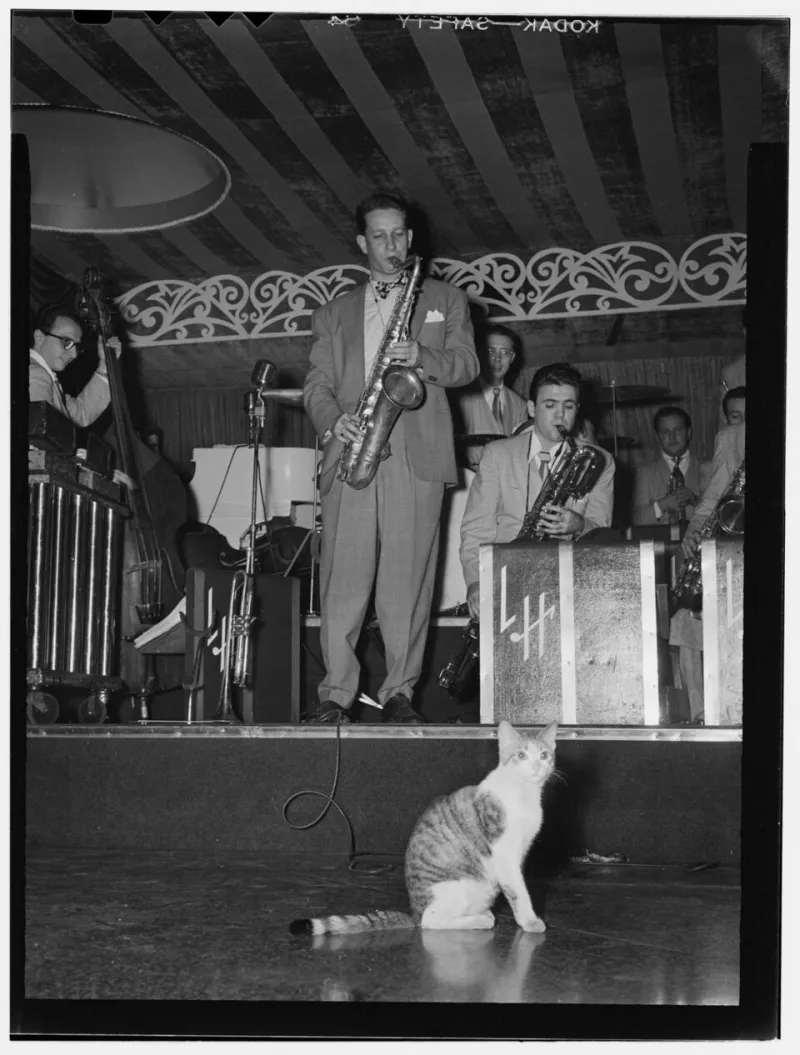
Photo: The Library of Congress, Public domain, via Wikimedia Commons
At 6.42pm the hall is empty apart from a drummer eating a banana, a sound engineer on her knees by a DI box, and a volunteer trying to work out whether the raffle table should go nearer the radiator. The doors open in less than ninety minutes. Somewhere out front, the first ticket-holders are probably already parking. Back here, nobody is thinking about the show yet. They are thinking about the room.
That is the odd truth about charity jazz nights. The part that looks least like entertainment — the soundcheck — is often the part that decides whether the entertainment lands. A good check is not a fussy technical ritual. It is an act of hospitality, delivered through cables, monitors and a bit of gentle diplomacy.
The room before the room
Empty rooms tell you things. A church hall with parquet floors and a high ceiling will flatter a double bass and then send a snare drum bouncing off the back wall. A pub back room with low beams and a carpet will swallow the piano and make the vocal sound closer than it is. A community centre with a kitchen hatch halfway down one side will do something strange to the mid-range, usually just as the first ballad begins.
Engineers on the charity circuit tend to say the same thing: you are not really checking the band, you are checking the room. One engineer I spoke to describes it as 'walking the audience's route before the audience arrives'. She means the back row, the side seats, the raffle table, the doorway where people will stand because they bought a ticket late. If the vocal disappears in those spots, the night has a problem no encore can fix.
This is especially true for Amy Winehouse tribute nights. The songs are full of space, phrasing and small turns of feeling. If the room is muddy, that detail goes. The singer may be giving a lovely performance, but the audience hears a wash of horns and cymbal. The soundcheck is where that wash gets cleared up.
Line check is only the beginning
There is a difference between a line check and a soundcheck, and it is the difference between 'the microphone works' and 'the singer can hear herself think'. A line check confirms that every cable, DI box and microphone is sending signal. A proper soundcheck shapes that signal into something musical.
On a charity night, time is tight. The band may have travelled from three different cities. The venue may have a committee meeting finishing at six. The volunteer on the door may also be the person who knows where the spare extension leads live. So the check has to be efficient without being rushed.
That means asking the drummer for a chorus rather than a single tap. It means getting the vocalist to sing a verse, not just say 'hello, hello'. It means letting the pianist play the quiet bit as well as the loud bit, because a piano that sounded fine at 4pm can turn brittle once the radiators come on. And it means checking the monitors properly, not just assuming the singer will 'sort it out' once the room fills up.
What an Amy tribute vocal really needs
Here is where the soundcheck becomes an artistic decision. Amy Winehouse's music does not reward a lazy mix. The vocal needs to sit forward enough to carry the lyric, but not so forward that it sounds karaoke. Too much reverb and the phrasing turns syrupy. Too little and every breath feels exposed.
A good engineer leaves headroom — not just on the desk, but in the room. Space for applause. Space for a singalong on 'Valerie'. Space for the moment when a tribute singer steps back from the microphone and lets the band breathe. The best tribute nights are not impersonations. They are careful, affectionate readings, and the soundcheck is where that care starts.
In 2026, with tribute nights filling arts centres and back rooms across the UK, audiences have become sharper about this. They can tell when a night has been put together with respect for the music rather than just the poster. They may not know a monitor wedge from a DI box, but they know when the vocal sounds like it is coming from another room.
The diplomacy of a charity night
Soundchecks are also people management. Can the bar fridge be switched off for twenty minutes? Can the auction table move a foot to the left so the horn section is not blasting into the bid sheets? Can the venue caretaker be persuaded that the stage lights do not need to be quite so blue? These are not glamorous conversations, but they are the ones that make a room feel looked after.
That is the Mitch Winehouse & Friends spirit in a nutshell, really. Charity nights run on goodwill, but goodwill still needs a monitor mix. The volunteer who has been standing at the door since five deserves to hear the raffle announcement. The band deserves a stage where they can see each other. The audience deserves a night that feels like a proper occasion, not a rehearsal with a collection bucket.
Boring checks make better nights
The best soundchecks are dull. Cables are labelled. Spares are within reach. Batteries are fresh. The hearing loop is checked. The feedback frequency is found and tamed before anyone arrives. The setlist is taped to the floor, the water glasses are filled, and the engineer has written down every setting in case a cable gets kicked during the interval.
A charity jazz night cannot afford a twenty-minute technical panic after the raffle. It cannot afford a vocal that vanishes during the quietest song of the night. And it cannot afford to treat the soundcheck as an afterthought, because the audience will hear that afterthought in every number.
The last five minutes
At 7.55pm, the hall is no longer empty. Coats are on chairs. The bar has opened. Someone is asking whether the vegetarian options are labelled. On stage, the engineer is playing low house music and pretending not to watch the room fill up. The first note is still ten minutes away.
But the night has already begun. It began in the silence before the doors, when someone asked 'can you hear yourself?' and waited for an honest answer. That is the unsung art of the charity jazz night: not the big finish, but the quiet hour that makes the finish possible.