The Fifth Instrument: Why a Charity Jazz Night Needs a Host Who Listens
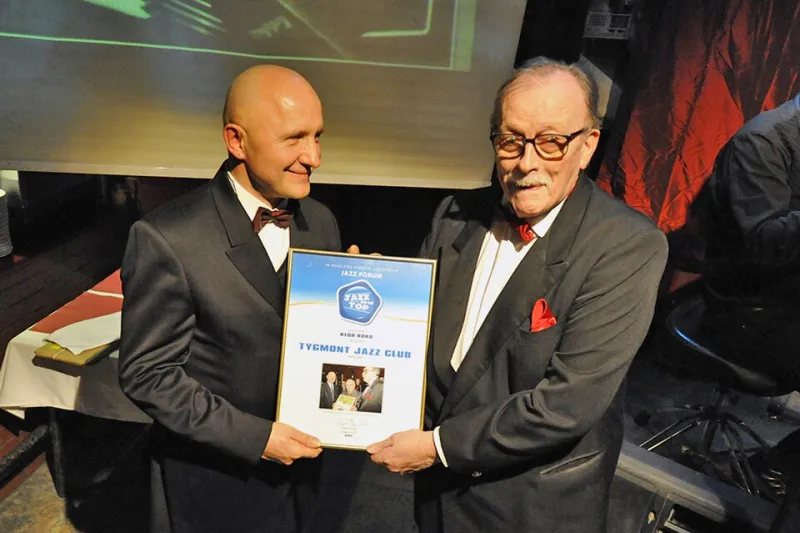
Photo: Kotoviski Photograph Henryk Kotowski, CC BY 4.0, via Wikimedia Commons
The last chord rings out. The applause starts, then thins. Somebody has to say something. That somebody is usually standing at the side of the stage with a microphone they have not tested, a raffle book and a vague sense of where the nearest cash box is. In charity jazz, this is not a warm-up act. It is the fifth instrument.
The bit nobody rehearses
Bands rehearse. Singers rehearse. Hosts, too often, are handed a running order ten minutes before doors and told to “just keep it moving”. That is like asking a pianist to sight-read a ballad in the dark and hoping for the best. The result is usually a night that feels like two separate events: a lovely set, then a slightly apologetic fundraising interlude, then another lovely set. The room never quite joins up.
Compèring a charity jazz night is not about being funny, although a little humour helps. It is not about being polished, although a clear voice and a working microphone are non-negotiable. It is about listening to the room and translating what you hear into a reason for people to stay, give, and come back. The person with the mic is the bridge between the bandstand and the bucket.
Respect first, raffle second
Good hosting starts with respect for the players. Veteran jazz musicians have spent decades learning how to introduce a tune, how to leave space, how to end a phrase. They do not need a host telling the audience how brilliant they are before they have played a note. What they need is someone who knows their names, knows which album the next standard comes from, and knows when to get out of the way.
That means short, informed introductions. “This is a ballad from the 1950s, and our trumpeter has been playing it since she was a teenager in Leeds” is better than a three-minute biography. It gives the audience a handle without turning the set into a lecture. It also signals that the night is curated, not just booked. People give more generously when they feel they are in good hands.
The raffle is where many charity nights lose their nerve. Either it is rushed through like an apology, or it becomes a second gig with its own compere. The sweet spot is brisk and warm: explain the cause in one sentence, name the prizes properly, thank the businesses that donated them, and get on with it. If the host sounds embarrassed to ask, the room will feel embarrassed to give. If the host sounds clear about why the money matters, the room will follow.
Mitch’s microphone manner
Mitch Winehouse has spent plenty of evenings on both sides of that microphone, and his hosting style is worth studying for anyone planning a charity jazz night in 2026. The instinct is always toward the players and the cause, not the person holding the mic. There is warmth, a bit of self-deprecation, and a clear sense that the evening belongs to everyone in the hall — the band, the volunteers on the door, the people who bought a ticket because they love Amy’s music, and the people who came because they love jazz and happen to be free on a Thursday.
That balance matters. A host who name-drops too heavily makes the room feel like an audience. A host who tells the story of the charity without turning it into a hard sell makes the room feel like a community. Mitch’s approach tends to land in the second camp: affectionate, knowledgeable, and never far from the point of the night. It is not a performance. It is a conversation with a room.
Small rooms, big stakes
Grassroots venues are where this craft is most visible. A church hall in Bristol, a working men’s club in South Yorkshire, an arts centre in Glasgow with a bar that closes halfway through the second set — these rooms do not have the luxury of a professional compère and a separate fundraising team. The host is often the promoter, the sound engineer’s mate, or the person who made the sandwiches. They are also the reason the night works or does not.
In small rooms, the host sets the emotional temperature. If they thank the volunteers by name, the audience notices. If they explain that the raffle is paying for a music lesson for a local teenager, the audience understands. If they keep the gaps between sets short and the tone light, the evening keeps its shape. None of this is glamorous. All of it is fundraising.
What good hosting actually sounds like
It sounds like brevity. It sounds like a host who has written down the running order and actually looks at it. It sounds like someone who knows when to ask for quiet, when to ask for money, and when to simply say thank you and step back.
It also sounds like preparation. A good host will have spoken to the bandleader about pronunciations, song titles and what not to mention. They will have checked the raffle prizes and the collection arrangements. They will have a line ready for the moment the takings are counted, and a line ready for the moment a player needs an extra minute to retune. That is not showbiz. That is care.
The ask is part of the art
Charity jazz nights are not awkward because people are asked for money. They are awkward when the ask feels tacked on. When the host has spent the evening building a picture of what the cause does — a lesson paid for, a young musician given a first gig, a community given a reason to gather — the ask feels like the natural next line. It is not a commercial break. It is the point.
The band can play beautifully all night. The singer can bring the house down. But if nobody is minding the room between the standards, the night stays a gig. With the right host, it becomes something better: a room full of people who came for the music and leave feeling part of something. That is the fifth instrument. And it is the one most charity jazz nights forget to tune.