The Shared Encore: Why Jazz Veterans and Amy Tribute Acts Are Splitting the Bill in 2026
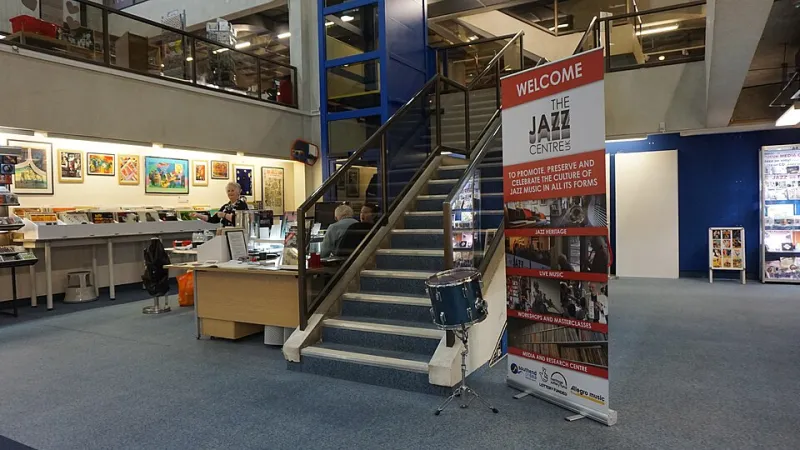
Photo: TheJazzCentreUK, CC BY-SA 4.0, via Wikimedia Commons
There is a particular kind of buzz in a British function room about twenty minutes before a split-bill charity night begins. At the back, a jazz trio is unpacking a double bass and arguing gently about whether the radiator counts as a percussion instrument. Near the door, a tribute singer is checking a setlist on her phone while her guitarist tries to find a plug socket that is not already claimed by the raffle table. Two different worlds, one borrowed stage, and a bucket by the exit that will hopefully pay for somebody's music lessons.
That scene is becoming more common in 2026. Jazz heritage acts and Amy Winehouse tribute artists are increasingly sharing bills at charity nights across the UK — not as a novelty, but as a practical way to fill a room, raise money for music education and bring two audiences into contact with each other. For anyone who follows the work of Mitch Winehouse & Friends, it feels less like a trend and more like a natural extension of the community spirit that has always sat behind the music.
Two audiences, one door
Jazz crowds and tribute-night crowds are not identical. The jazz regulars tend to arrive early, claim a table near the front and listen with the intensity of people who have opinions about brushwork. The tribute audience often comes in groups, arrives closer to the headline set and expects to sing along. Put them in the same room without thought and you can end up with a polite standoff.
Put them in the same room with a bit of care, though, and something useful happens. The jazz set gives the evening musical credibility and a sense of heritage. The tribute set gives it a recognisable emotional pull and a wider draw. One audience discovers a local saxophonist they would never have booked a ticket for. The other remembers that a charity night can be about more than the songs they already know.
Why the split bill clicks in 2026
Promoters are not stupid. Rooms are harder to fill, costs are stubborn and charity nights need a reason for people to leave the house on a wet Tuesday. A split bill offers two reasons instead of one. A tribute act can shift tickets in a way that a straight jazz quartet sometimes cannot, while the jazz act brings local roots, musician networks and a certain seriousness of purpose.
The pairing also fits the wider story of music education. The Amy Winehouse Foundation has spent years supporting young people through music, and the wider charitable scene around Mitch Winehouse & Friends has always understood that heritage and future talent are not in competition. A jazz veteran playing a fundraiser and a tribute artist donating their fee are both saying the same thing: this music matters, and so does the next person who wants to learn it.
Running order: who goes on when?
This is where good intentions can go wrong. The most common format is a shorter jazz set first, a raffle or break in the middle, and the tribute act as the closing set. That works for audience energy, but it can make the jazz musicians feel like a warm-up act. A better approach is to bill the night honestly as a co-headline, give both acts a proper slot of around forty-five minutes, and avoid language that ranks them.
Sharing a rhythm section can help with costs and continuity, but it needs rehearsal. A jazz trio that has never backed a tribute singer may need a chart, a key check and a conversation about endings. The tribute act should not be treated as karaoke with a better wig; the best ones are working musicians with their own arrangements. Equally, the jazz act should not be asked to play background music while people queue for the loo.
Practical details matter: a real piano if the set needs one, a soundcheck that includes both acts, a clear curfew and a green room that is not also the coat storage. Small things signal respect, and respect is what makes a split bill feel like a partnership rather than a compromise.
The raffle pitch
The raffle is the moment where charity nights either find their heart or lose the room. The mistake is to treat it as a long interruption. The fix is to keep it short, explain the cause in plain English and make the prizes local enough to feel real. A hamper from a nearby bakery, a voucher for a record shop, a lesson with a local musician — these land better than vague promises.
Place the raffle after the first set, when people are settled but not yet ready to go home. Have someone who can hold a room without sounding like a school assembly. Mention music education directly, because that is what the night is for. And do not let the raffle become a second show. Ten minutes, done well, is plenty.
What it says about the scene
A split bill is a small thing, but it says something larger about the UK charity music scene in 2026. It says audiences can mix. It says heritage acts and tribute acts do not have to be rivals. It says a night out can raise money for a good cause without pretending to be a West End production.
For Mitch Winehouse & Friends, the appeal is obvious. Jazz heritage, charity and tribute sit at the centre of the site's world, and the shared stage brings all three into the same room. The best of these nights feel less like a booking gimmick and more like a village hall with better lighting: different people, different reasons for coming, one cause worth staying for.
If you are organising one this year, start with the music, protect the cause and treat both acts as headliners. The shared encore will look after itself.