Half-Time, Full Heart: Why the Interval Record Deserves Top Billing
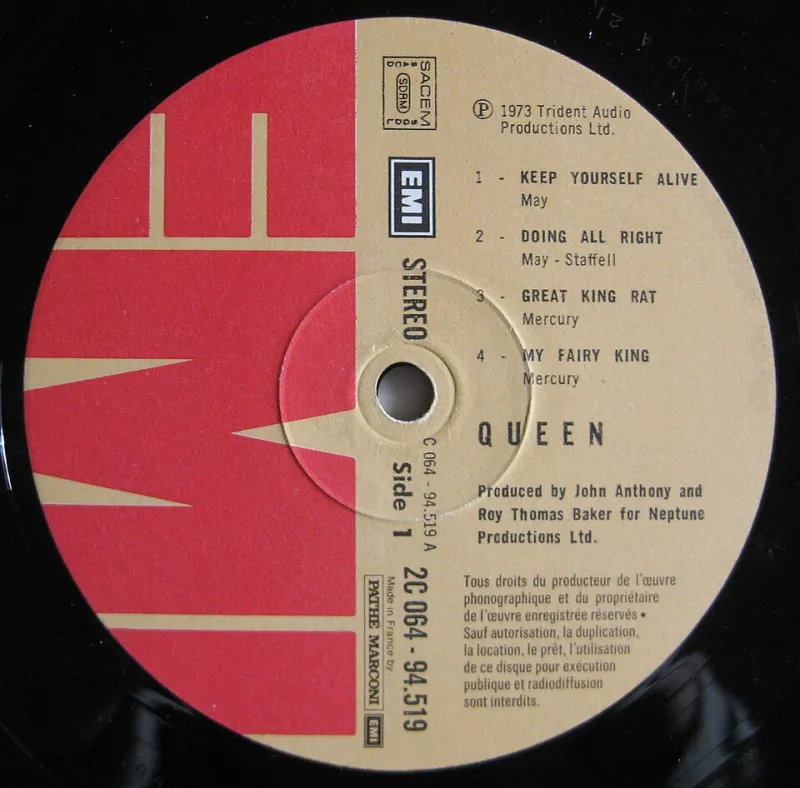
Photo: KarleHorn, CC BY-SA 3.0, via Wikimedia Commons
There is a moment at every charity jazz night when the band puts down its instruments, the singer leaves the stage, and the room exhales. The first set is over. The bar queue forms. Someone checks their phone. For about twenty minutes, the evening is in the hands of whoever is looking after the interval music. It is a small job with a big say in how the night feels.
At Mitch Winehouse & Friends, we spend a lot of time thinking about the music on stage. But the music between the sets deserves a closer listen. Done well, it can carry the audience from a storming Amy Winehouse tribute number into a gentle slice of 1950s British jazz, nudge them towards the donation bucket, and make the second set land harder. Done badly, it is either silence, a repeated playlist, or a bass line that makes conversation impossible.
The Bit Everyone Forgets Until It Goes Wrong
Ask a sound engineer what ruins an interval and you will hear the same answers. The playlist is too loud. The same six songs come round again. Someone plugs in a phone at full volume and the room is treated to a tinny version of a song that was already played live. The gap should feel intentional, not accidental.
The fix is not complicated. Treat the interval as a short set of its own. Twenty minutes is roughly five or six tracks if you want people to listen, or eight to ten if the music is there to sit under conversation. Decide which you want before the doors open. A charity jazz night usually needs both: a little listening early on, then something more background as the bar gets busy.
The Vinyl Between the Sets
This is where a volunteer DJ earns their keep. A proper interval record is not just a shuffle. It is a small act of curation. Start with something instrumental and unhurried: a British jazz side from the 1950s or early 1960s, maybe a saxophone-led piece with plenty of space. Tubby Hayes, Ronnie Scott's early groups, or a cool-toned Cleo Laine track can set a mood without demanding attention.
Then edge towards Amy. Not the obvious singles, necessarily. The deep cuts work beautifully in this slot: Take the Box, Wake Up Alone, Some Unholy War. They remind the room why everyone is there without competing with the tribute act who will soon sing them. A good interval DJ knows the difference between a nod and a spoiler.
The bridge between those two worlds is real. Amy's voice drew on jazz and soul, and the British jazz heritage that Mitch champions has always been in the same family tree. An interval that moves from a 1950s horn line to a lesser-known Amy album track is not a random pairing. It is a quiet argument for the whole night.
Volume, Pace and the Art of Not Competing
The best interval music is mixed like a conversation, not a concert. Sound engineers tend to aim for a level that fills the room without forcing people to lean in. If the bar is in the same space, keep the first few tracks instrumental and mid-paced. Save anything with a big vocal for the last five minutes, when people are drifting back to their seats.
Pace matters too. A charity jazz audience is mixed: regulars who know the repertoire, friends of the charity who have come for the cause, and people who just like a night out. An interval that lurches from a ballad to a banger to a novelty track feels restless. A gentle arc feels generous. Start soft, lift slightly, then bring it down as the band returns.
One practical tip from volunteer DJs: write the running order down. Not because you cannot improvise, but because the interval is exactly when someone will ask you a question, hand you a donation, or tell you about their favourite Amy B-side. A short list keeps the music on track while you talk.
Requests, Donations and the Honest Jar
Here is where the interval becomes a fundraising tool. A request jar is simple and effective. Put a sign on the merch table or the bar: request a song for £2, all proceeds to the charity. The volunteer DJ takes the requests, plays what fits, and thanks the donor by name if they are happy to be named. It turns a passive break into a small participatory event.
The requests themselves can be revealing. Someone asks for Back to Black. Someone else asks for a British jazz standard their father used to play. A third person asks for a deep cut you had not thought of. The jar fills up, the DJ gets a running order, and the room starts talking to itself in the best way.
A few organisers go further and use the interval to announce the raffle, point out the donation QR code, or thank the volunteers. Keep it brief. The interval is not a second stage for speeches. But a thirty-second thank-you from the host, followed by a request slot, can do more for the charity than a silent gap ever will.
The Lone Pianist Option
Not every venue has a DJ. Some of the most memorable intervals are just a pianist at the house upright, playing softly enough that nobody has to stop talking. The trick is to avoid a performance. No microphone, no announcements, no dramatic pauses. Just standards and gentle improvisations, maybe a few bars of something Amy sang, left hanging in the air.
If the pianist is a student from a local jazz course, so much the better. It gives them a low-pressure spot, it gives the audience something human to listen to, and it keeps the evening in the family. The same goes for a volunteer with a laptop and a good playlist. The tool matters less than the thought behind it.
A Short Interval Checklist
- Plan the gap as a 20-minute set, not an afterthought.
- Choose eight to ten tracks, with the first few instrumental.
- Keep the volume below the live set.
- Mix 1950s British jazz with Amy deep cuts, not just the hits.
- Put a request jar and a clear sign where people can see it.
- Write the running order down and keep it flexible.
- Cue the band five minutes before the second set.
The interval record will never get a review. Nobody will remember the exact track that was playing when they dropped a fiver in the jar. But they will remember whether the night flowed, whether the room felt warm, and whether the gap between sets felt like part of the evening rather than a pause in it. In a charity jazz night, that is worth planning for.
As 2026's calendar fills up with tribute nights, fundraisers and small-room jazz, the interval is one of the easiest places to add a bit of heart. It costs almost nothing. It asks only for a little attention. And it turns twenty minutes of dead air into one of the most generous parts of the night.