A Horn, a Handover and a Biscuit Tin: The Music Shops Behind Charity Jazz Nights
There is a moment before every charity jazz night when the whole room seems to hold its breath. The chairs are out, the raffle prizes are labelled, and someone is asking the question that has sunk more fundraising gigs than bad weather: does anyone know where the trumpet is?
In 2026, the answer increasingly comes from the independent music shop down the road. Not a faceless warehouse, not a next-day delivery van, but a counter with a repair ledger, a kettle and a proprietor who knows that a charity jazz night in a church hall can matter as much as a sold-out concert.
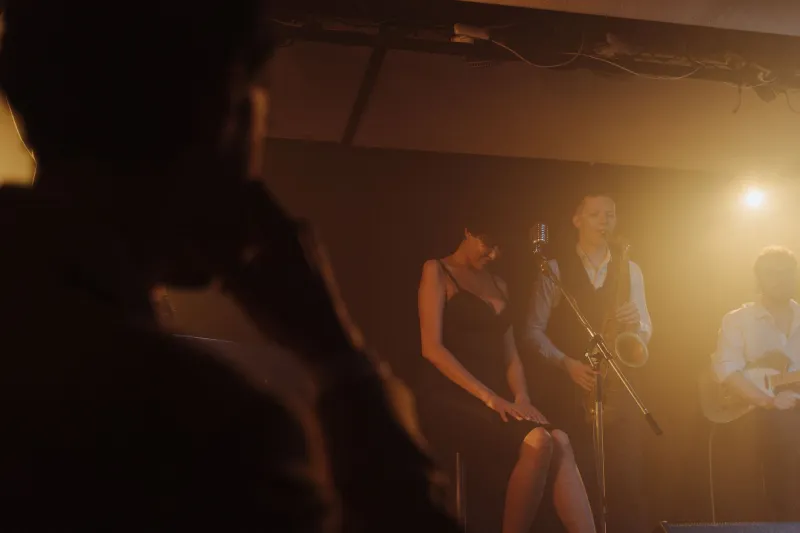
Mitch Winehouse & Friends has always been about the space where music, memory and community meet. The Amy Winehouse Foundation's work in music education is part of that story, and so is the less glamorous infrastructure that keeps grassroots nights alive: amps that work, stands that don't wobble, and a double bass that can survive the journey from Bristol to a village hall.
The shop floor is part of the circuit
Walk into a good independent music shop on a Saturday morning and you'll hear the real soundtrack of UK music-making. A teenager testing a second-hand saxophone. A parent asking whether a ukulele counts as a serious instrument. A jazz educator collecting a repaired flute before an afternoon workshop. Somewhere behind it all is a rack of leads, a shelf of rosin and a sign that says no refunds on reeds.
These shops are not simply retailers. They are the unofficial backline of the amateur and charity circuit. They lend, hire, mend, advise and occasionally talk someone out of an expensive mistake. For a tribute night raising money for music lessons, that support can be the difference between a polished evening and a painful one.
The loaner trumpet is the classic example. A young player is booked for a charity set, perhaps their first proper gig with a rhythm section. Their own instrument goes into the shop for a valve service and comes back with a warning about the leadpipe. The shop lends a student trumpet for the weekend. Nobody writes a press release. The show simply goes ahead.
What gets lent, mended and quietly donated
The list is longer than most audiences realise. Practice amps for the interval act. A keyboard stand with a missing bolt. A music stand for the singer who has driven straight from work. Cables, DI boxes, a drum stool that doesn't sink. Some shops run hire schemes for school and community groups. Others keep a shelf of older instruments that can be loaned out for a small deposit.
Then there are the donations. Not always instruments. Sometimes it is a set of strings, a box of reeds, a packet of guitar picks for the merch table. One shop might print a batch of raffle tickets. Another might put a poster in the window and mention the night to every customer who picks up a set of jazz strings.
This is not charity as a grand gesture. It is charity as shop-floor habit, built on relationships. The organiser who buys their cables locally, asks politely and returns things clean will find the door open next time. The one who borrows a bass amp and brings it back with a pint ring on top will find the door still open, but the conversation shorter.
The late-night repair that saves the set
The stories that stick are usually the small rescues. A guitarist's amp gives up at five o'clock on the day of a fundraiser. The shop has closed, but the owner answers the phone because they know the organiser. An hour later a practice amp is in the boot of a car, with a lead and a shrug. The show is not perfect. The show is on.
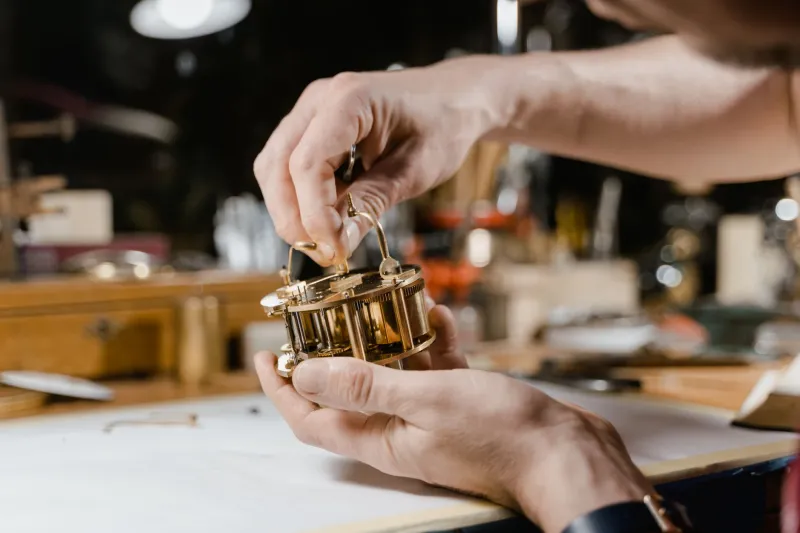
Or the double bass with a hairline crack in the bridge. The repair cannot wait until Monday because the beneficiary workshop is on Sunday morning. A luthier stays late, glues, clamps and warns that it is a temporary fix. Temporary is enough. The bass plays the bass line. The audience puts money in the bucket.
These late-night repairs are not a business model. They are favours that keep a local scene human. They also depend on trust. Shops need to know that borrowed gear will come back, that deposits will be honoured and that a charity night will not treat a loaned instrument like a hired prop in a rock video.
How to build a relationship that lasts
If you run a charity jazz night, or you are thinking about starting one, the local music shop is worth more than a last-minute emergency call. Treat it as a partner from the planning stage.
Start early. Ask in January about a July event, not on the afternoon of the gig. Be specific about what you need: an amp, a keyboard, a bass, a stand, a mic. Explain the charity, the venue and the audience. Ask what deposit or hire fee the shop requires. Confirm collection and return times in writing, even if it is just a text message.
Be honest about risk. A church hall with an uneven floor is not the same as a studio. If gear is going to be moved by volunteers, say so. Ask for a quick lesson in how to pack it. Keep the shop's contact details with the stage manager, not buried in a committee inbox.
Offer something back. A mention in the programme. A poster in the window. A social media thank-you with a photograph of the loaner trumpet in action. If the shop has a repair service, recommend it to your audience. If they teach, share their workshop dates. The relationship is not a sponsorship deal, but it is a two-way street.
And pay where you can. A small hire fee is not an insult to the cause. It helps the shop keep the lights on and makes the arrangement professional. Many independent retailers will discount for charity events, but they should not have to guess whether they are being treated fairly.
A biscuit tin and a bit of give-and-take
The best version of this relationship feels like a biscuit tin passed across a counter. You bring the biscuits; they bring the spare valve oil. You tell them about the night; they tell you about the customer who might want to play. Somewhere between the raffle and the repair ledger, a local music community gets a little stronger.
For Mitch Winehouse & Friends, that is the sort of story worth telling. Charity jazz nights are built on songs and goodwill, but they are also built on practical kindness: a loaner trumpet, a late-night repair, a shop that says yes when it could easily say no. In 2026, as grassroots venues and music education continue to need all the help they can get, those small acts behind the counter deserve a place in the programme.
Maybe not a headline spot. But definitely a mention in the credits.