The Tuning Lever and the Trustee: How a Quiet Visit Saves a Charity Jazz Night
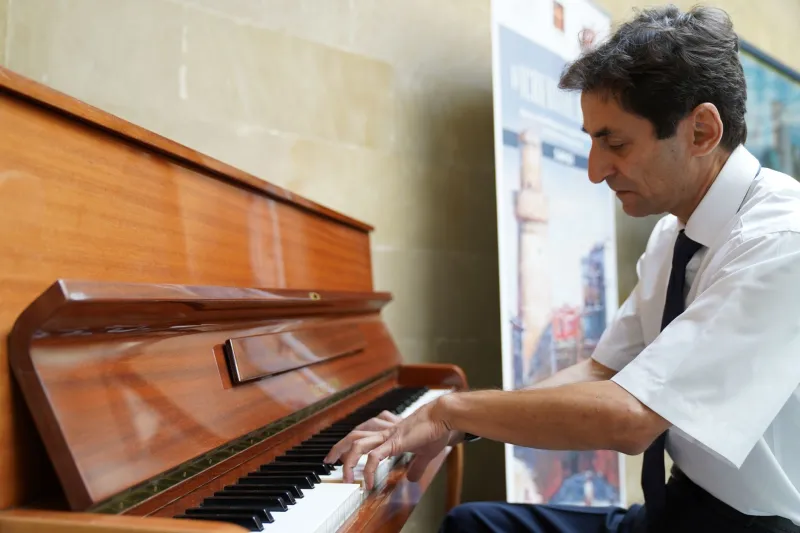
On a wet Thursday in a church hall somewhere off the A-road, a charity jazz night is about to be saved by a person most of the audience will never see. The trestle tables are out. The raffle is stacked. The tribute singer is warming up. And in the corner, a piano tuner is kneeling beside an upright that has spent the last decade being used for keep-fit classes, jumble sales and the occasional wedding.
This is not the glamorous end of jazz. But it is the end that decides whether the first chord lands cleanly.
The First Arrival Nobody Applauds
Charity jazz nights run on goodwill, and much of that goodwill arrives before doors. The volunteer on the door, the person who knows where the extra chairs live, the sound engineer with a box of adaptors — they all matter. The piano tuner belongs in that quiet company. They turn up when the room still smells of floor polish, work through a list of sticky keys and tired pedals, and leave before the first paying guest has found a seat.
In 2026, with Amy Winehouse tribute nights and grassroots jazz fundraisers filling halls across the UK, the venue piano is often the least glamorous item on the rider. It may be a Challen in a working men's club, a Knight in a church hall, a Broadwood with a history, or a modern Yamaha that has been wheeled across a stage one too many times. The tuner has seen them all. They know that a piano can look handsome and still sound like a shopping trolley.
What the Tuner Actually Hears
Most of us hear a piano as either in tune or not. A tuner hears the whole room. They hear the pitch drifting because the heating has been on since breakfast. They hear the action feeling sluggish because the instrument has not been regulated in years. They hear the pedal squeak that will become a distraction in the quietest ballad of the night.
The best local tuners are not just technicians. They are part-diplomat, part-historian and part-optimist. They will tell an organiser honestly whether a venue upright can be coaxed into shape for a jazz trio, or whether it is kinder to hire a stage piano and be done with it. That honesty is worth paying for. A tuner who says the piano is beyond saving has just saved the charity a very awkward evening.
The Ten-Minute Check That Changes the Room
There is a ritual worth understanding. A full tuning can take an hour or more, depending on the instrument and how long it has been neglected. But the final check — the ten minutes or so before the room fills — is where the night is won. The tuner tests a few chords, listens across the break, checks the pedals, and makes small adjustments while the stage is finally in its proper place.
This is why timing matters. If the piano is moved after it has been tuned, the pitch can shift. If the stage lights are blasted at it for an hour, the tuning can drift. If someone rests a pint on the lid or lets a child run a toy car along the keys, the tuner's work is undone before the first chorus. A sensible organiser treats the tuned piano like a borrowed instrument: with respect, and with a firm word to anyone who thinks it is a table.
Booking, Budgeting and Being a Good Client
For organisers, the practicalities are simple but easy to forget. Book early. A good tuner's diary fills up around concert seasons, school holidays and the weekend rush. Tell them the make and model of the piano if you know it, when it was last tuned, and what kind of music is planned. A jazz trio, a solo singer and a full choir place different demands on an instrument.
Budget for it properly. A local tuning visit might sit somewhere in the £80 to £150 range depending on the area, the instrument and whether any small repairs are needed. Some tuners offer a reduced rate for charity events; others will donate their time if the cause is close to their heart. It is always worth asking politely, but never assume. A tuner's skill is their livelihood, and a charity night should not be built on someone else's unpaid labour unless they offer.
Communication is the other currency. Confirm access, parking and how long the room is available. Say whether the piano is on a stage, up a step, or behind a stack of chairs. Ask what the tuner needs: quiet, a working light, and enough time without an audience. And if the piano is being moved, move it first. Tuners are remarkably calm, but they are not magicians.
When the Piano Is Beyond Saving
Not every venue piano deserves a rescue. Some have cracked soundboards, broken actions or a tuning pin block that has given up the ghost. A good tuner will say so plainly, and organisers should listen. In those cases, hiring a digital piano or a portable stage piano can be the difference between a charmingly rough evening and a genuinely uncomfortable one. The charity jazz night is not a museum piece. It is a live event, and the music comes first.
That is the sort of quiet professionalism the Mitch Winehouse & Friends community tends to celebrate. Jazz heritage is not only preserved in famous recordings and grand venues. It lives in the local tuner who knows the quirks of a church hall upright, the volunteer who books them, and the audience who never realises how close the first note came to sounding wrong. When the trio counts in and the singer steps up, spare a thought for the tuning lever that made it possible.
A Small Act in a Big Chain
Charity jazz nights raise money for music education, community projects and the next generation of players. The piano tuner is a small link in that chain, but a vital one. They make the instrument trustworthy. They give the performer a fair chance. And they do it without a bow at the end.
So the next time a charity jazz night feels effortless — the piano warm, the keys even, the pedals quiet — remember the person who was there before the applause. Book them early, pay them fairly, and keep the drinks off the lid. The first note will thank you.